What we do
Safeguarding alpinists during high-altitude ascents and under extreme conditions is the ultimate goal of Noble Breath. Using a sophisticated and unique medical treatment, we can help mountaineers adapt to high altitude faster and more easily than with conventional methods.
Our approach consists of a single, short inhalational therapy using a special gas mixture containing the noble gas xenon, which is well tolerated. Xenon has been used medically for more than 50 years.
Why we do it
Acute mountain sickness (AMS) is a common condition among mountaineers who do not have sufficient time to acclimatize to the lower oxygen availability at high altitudes. Typical symptoms include headache, loss of appetite, and dizziness, but may also include coughing and a general feeling of being unwell. The prevalence of AMS can reach 50% in individuals who ascend to altitudes above 4,500 m within a short period.
The most commonly used method to prevent AMS is to gradually acclimatize to higher altitudes. However, this process may take several days. At very high altitudes, such as those encountered in the Andes or the Himalayas, acclimatization over a period of several weeks may be recommended.
Another approach is so-called hypoxic training, in which individuals simulate high-altitude conditions at sea level using a variety of devices to prepare their bodies for reduced oxygen availability. However, this process can be cumbersome and time-consuming.
Using the Noble Breath method, we aim to significantly change the way people prepare for high-altitude exposure by using a brief inhalation of the noble gas xenon.
How it works
Although xenon is chemically inert, it has a variety of biological effects that have been extensively studied over the past decades. At high concentrations, xenon has hypnotic and anesthetic effects, which led to its approval as an anesthetic agent in Europe in the early 2000s. Its widespread use has been limited by the enormous cost of xenon, which is explained by the rarity of the gas. Further research into the use of xenon as an organ-protective agent is still ongoing.
Xenon has been administered to thousands of patients with almost no side effects. Only recently, it has been discovered that xenon promotes hemoglobin synthesis by stimulating the release of endogenous erythropoietin. We have explored the use of an ideal xenon gas mixture in mountaineers and found significant improvements in their endurance and acclimatization. This approach may augment or even replace the use of hypoxic training.
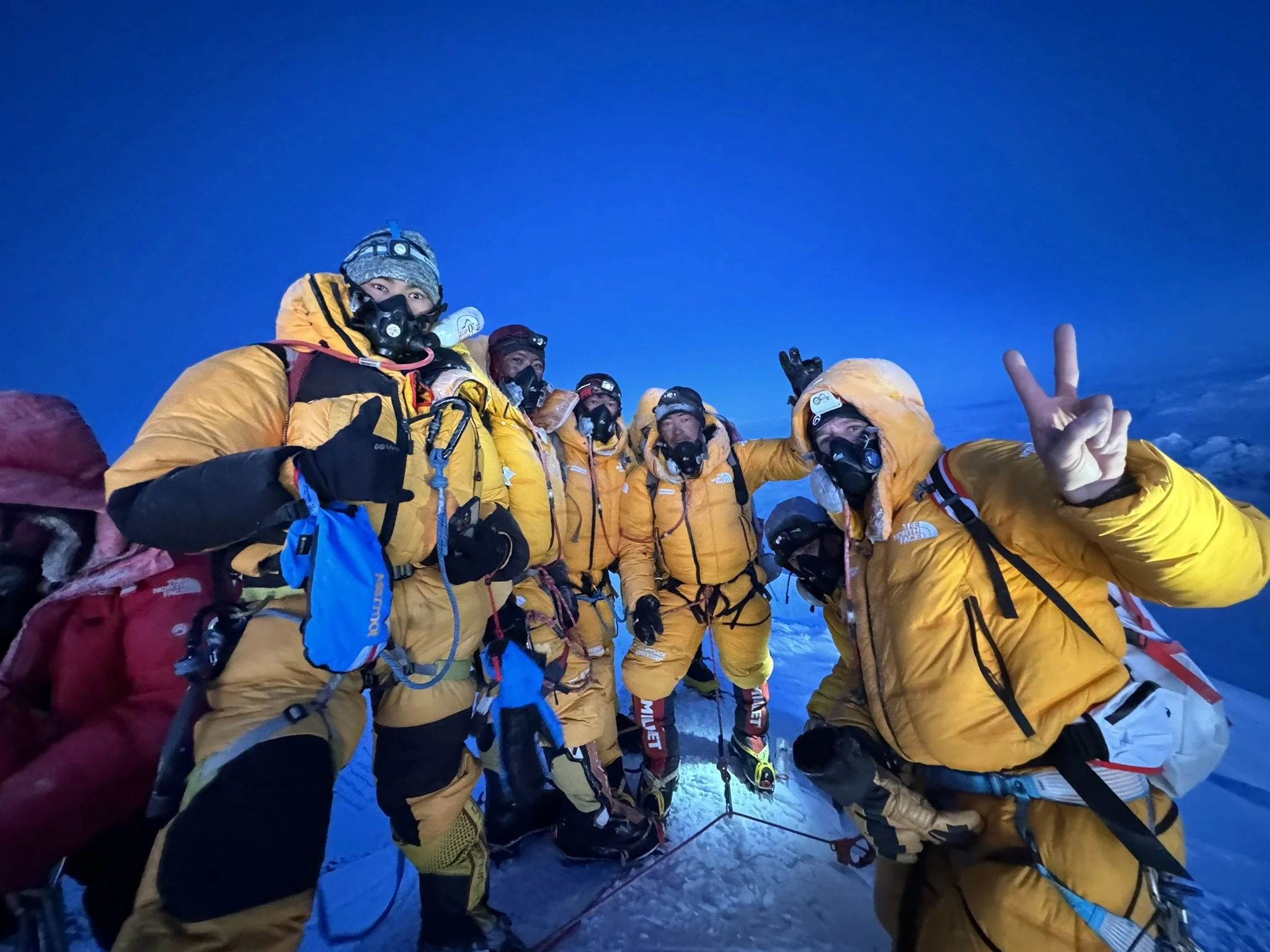
Our treatment has a proven track record on several high-altitude expeditions in the Himalayas and the Andes and has been successfully used multiple times for pre-acclimatization prior to climbing Mount Everest in a record time of only seven days.
How it’s done
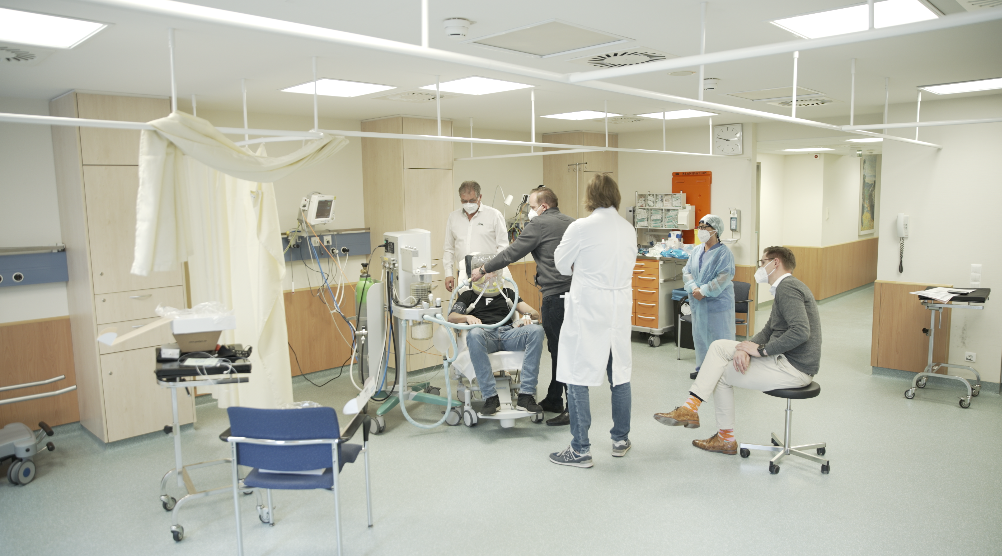
Approximately two weeks prior to the planned ascent, the special xenon gas mixture is delivered through a specialized ventilator via a tight-fitting face mask under the supervision of a highly experienced physician. The gas mixture is continuously monitored throughout the inhalation, and the entire treatment takes less than one hour.
To maximize the effect while keeping costs to a minimum, a specialized ventilator is used to deliver the gas mixture to spontaneously breathing individuals. The treatment is well tolerated. You may experience a feeling of dizziness or intoxication. In rare cases, nausea and vomiting may occur. These sensations disappear within minutes after the xenon inhalation is stopped.
During the procedure, you are closely monitored using electrocardiography, blood pressure measurements, and pulse oximetry.
Who we are
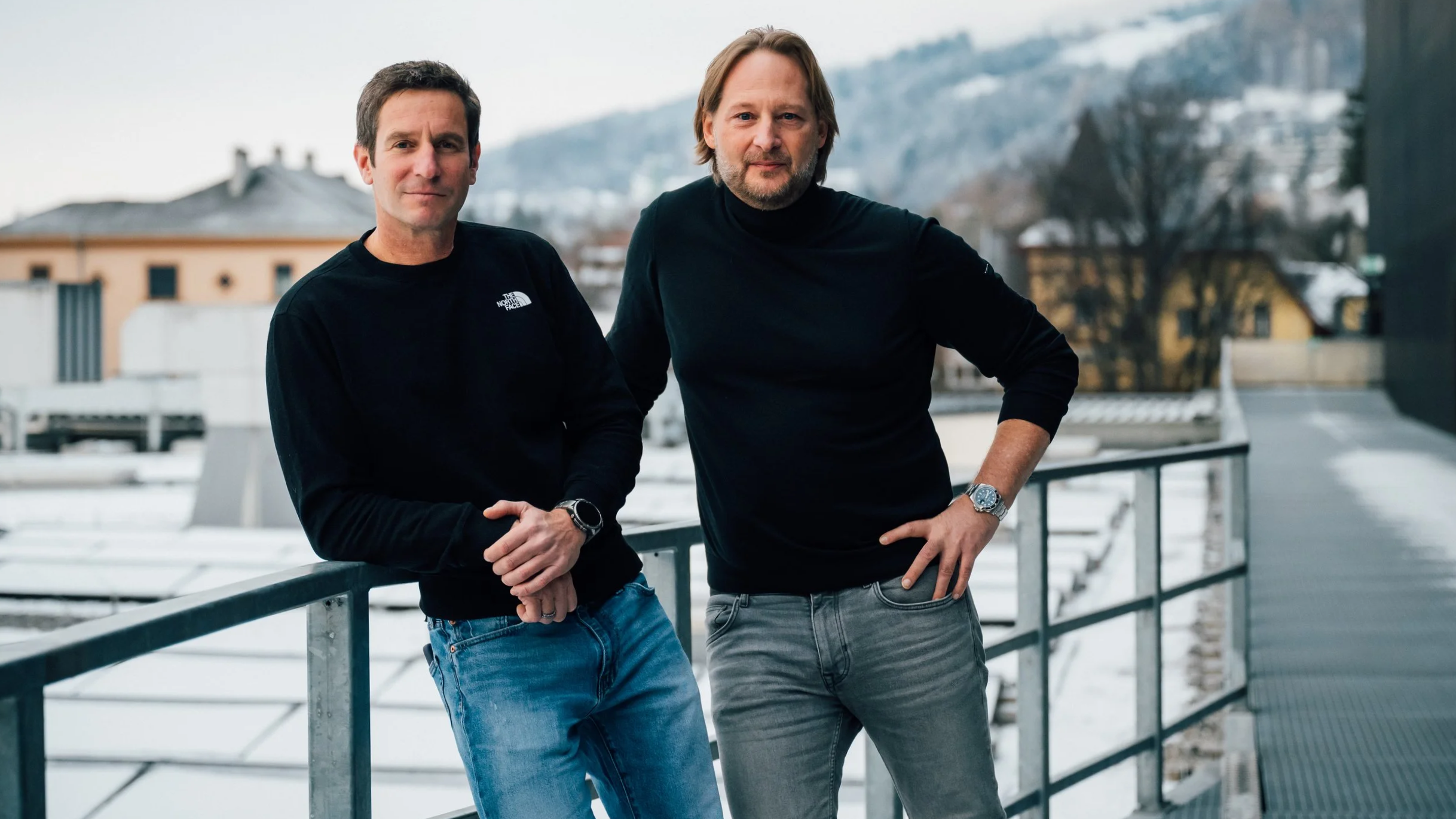
Lukas Furtenbach
A pioneering mountaineer and expedition operator with a longstanding track record in planning and organizing high-altitude expeditions, particularly in the Himalayas. He is focused on reducing the time required to reach a summit while maximizing safety and pioneered the field of pre-acclimatization for commercial expeditions.
Michael Fries
A physician-scientist with more than 20 years of experience in the medical field. His interest in xenon-mediated effects in anesthesia and critical care began early in his career and is documented by numerous publications.
He currently serves as Head of the Department of Anesthesia and Intensive Care at St. Vincenz Hospital in Limburg, Germany.